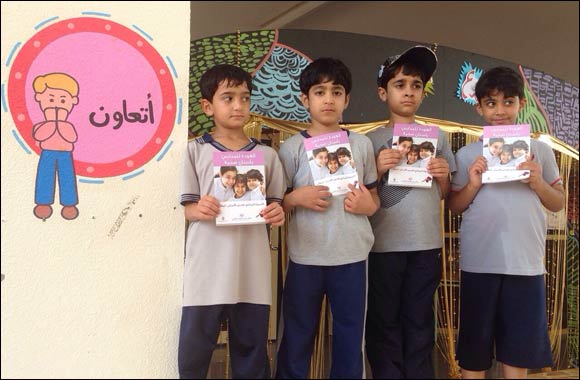
Proper Oral Care for young children highlighted. Starting early is the key to a lifetime of good dental health Oct 13, 2014, Ras Al Khaimah, UAE………..Arabian Healthcare Group successfully concluded screening many school children across RAK schools. The “Oral Health Campaign” launched at group’s RAK Medical Center in Ghalilah, Ras Al Khaimah aimed at creating awareness about good oral health and hygiene measures whilst conducting free screenings for approximately 150 children over 6 days. Educational literature and dental merchandise were also handed out to each screened child as part of the dental drive.
Mr. Raza Siddiqui, CEO Arabian Healthcare Group said, “Tooth decay is the single most common chronic childhood disease, yet 90 percent of all tooth decay is preventable. With a vision of optimal health and care for infants, children, adolescents and persons with special health care needs, Arabian Healthcare Group wishes to undertake many such programs throughout the year at its various facilities in Ras Al Khaimah and other emirates, including at its flagship brand RAK Hospital. The Oral health campaign provided children and their parents with information and resources about various issues related to child's oral health care. Preventive care, particularly pediatric dental care, is essential for giving children the proper foundation for a healthy life, from childhood through adolescence and beyond”.
“We screened around 150 students in the age group of 3 -18 years and observed prevalence of “Baby Bottle Tooth Decay' in toddler group, cases of “Rampant Caries” in mix dentition group while “Dental caries, plaque induced Gingivitis and Mal-Occlusions” were observed in teenagers. There is a significant growth in cavities, especially in young children. One-third of children already have cavities by ages 3 to 5 years. Parents and children were educated and importance of healthy eating and preventive oral health measures were highlighted during the program”, said Dr. Maryam Khalili, Dentist at RAK Medical Center Ghaliliah. Recent studies show that young children do not receive the proper oral care they need to promote optimal oral health. It is recommended that parents adopt the following practices to help prevent tooth decay in young children: - Year-one dental visit - Dental visits should begin around six months but no later than one year, or with the appearance of a child’s first tooth. The earlier the dental visit, the better the chance of preventing dental problems. Children with healthy teeth chew food easily, learn to speak clearly and smile with confidence.
- Fluoride use - Young children require fluoride to help developing teeth grow strong, and it helps prevent tooth decay in older children when used on a regular basis. Children who primarily drink bottled water may not be getting the fluoride they need. If your child routinely drinks bottled water, make sure to choose a product that contains fluoride.
- Healthy eating habits - Parents should ensure their children are eating a balanced diet and limit frequency of snacking which can increase a child’s risk of developing cavities. In order to prevent cavities, parents should limit the child’s number of snacks and the amount of time each child snacks throughout the day.
Quick tips for your child’s dental health: - Choose a small, child-sized, soft-bristled toothbrush. Soaking the brush in warm water for a few minutes before brushing can soften the bristles even more.
- The American Dental Association recommends using an amount of flouride toothpaste the size of a grain of rice as soon as your baby's first tooth appears. You can graduate to a pea-sized amount when your child turns 3 years old.
- Brush your child's teeth twice a day - in the morning and just before bed. Spend 2 minutes brushing, concentrating a good portion of this time on the back molars. This is an area where cavities often first develop.
- Replace the toothbrush every 3 or 4 months, or sooner if it shows signs of wear. Never share a toothbrush with others.
- Start flossing your child's teeth once a day as soon as two teeth emerge that touch. The use of floss sticks or picks instead of regular string floss may be easier for both you and your child.
- Ask your dentist about your child's fluoride needs. If your drinking water is not fluoridated, fluoride supplements or fluoride treatments may be needed.
- Ask your dentist about dental sealants. These are thin, plastic protective barriers that fill in the chewing surfaces of the back teeth, protecting them from tooth decay.
When kids are exposed to sugar for extended periods, they are at a higher risk of tooth decay. If left untreated, this puts these young children at increased risk for pain and infection, which can lead to missed school, lost sleep and loss of appetite.
Baby Bottle Tooth Decay Even though they are temporary, your child's baby teeth are important, and are still susceptible to cavities. Tooth decay in infants and toddlers is often referred to as Baby Bottle Tooth Decay, or Early Childhood Caries. It’s important to start infants off with good oral care to help protect their teeth for decades to come.
What causes Baby Bottle Tooth Decay? There are many factors which can cause tooth decay. One common cause is the frequent, prolonged exposure of the baby’s teeth to drinks that contain sugar. Tooth decay can occur when the baby is put to bed with a bottle, or when a bottle is used as a pacifier for a fussy baby. If your infant or toddler does not receive an adequate amount of fluoride, they may also have an increased risk for tooth decay.
Preventing Baby Bottle Tooth Decay
Try not to share saliva with the baby through common use of feeding spoons or licking pacifiers. After each feeding, wipe your child’s gums with a clean, damp gauze pad or washcloth.
When your child’s teeth come in, brush them gently with a child-size toothbrush and a smear (or grain of rice sized amount) of fluoride toothpaste until the age of 3.
Brush the teeth with a pea-sized amount of fluoride toothpaste from the ages of 3 to 6.
Supervise brushing until your child can be counted on to spit and not swallow toothpaste—usually not before he or she is 6 or 7.
Place only formula, milk or breastmilk in bottles. Avoid filling the bottles with liquids such as sugar water, juice or soft drinks.
Infants should finish their bedtime and naptime bottles before going to bed.
If your child uses a pacifier, provide one that is clean—don’t dip it in sugar or honey.
Encourage your child to drink from a cup by his/her first birthday.
Encourage healthy eating habits.
|

 RSS Feed


