- Set to launch on 4 February with a comprehensive and diverse programme.
- The event reinforces the DLD’s position as a leading regulatory authority shaping real estate sector trends at both the regional and international levels.
- Sessions exploring the role of technology, artificial intelligence, and sustainability, with dedicated themes focusing on innovation, governance, and the evolution of real estate investment models.
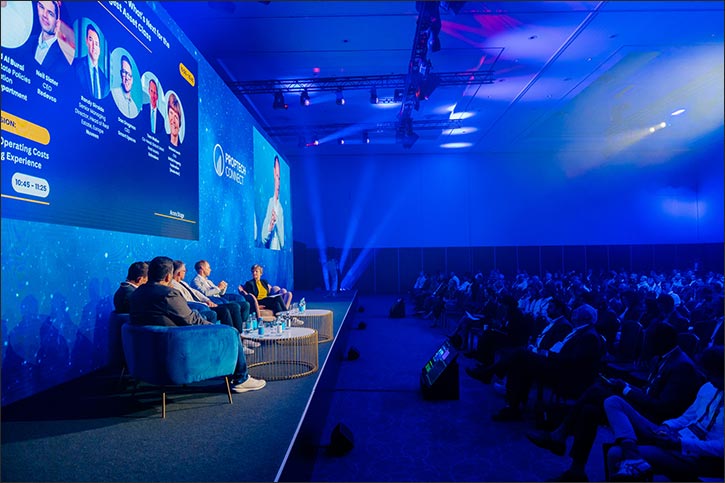
Dubai, United Arab Emirates – 27 January 2026: Dubai Land Department (DLD) has unveiled the agenda for PropTech Connect Middle East 2026, a leading international platform dedicated to real estate technology, which will be held under DLD’s supervision and hosted by the emirate for the first time in the Middle East on 4–5 February 2026 at the Grand Hyatt Dubai. The landmark event will be hosted by the emirate for the first time in the Middle East on 4 and 5 February 2026 at Grand Hyatt Dubai, in partnership with the conference organiser, reinforcing the emirate’s position as a global hub for real estate innovation and future-ready urban development.
The announcement of the agenda comes at a pivotal moment for the global real estate sector, as rapid transformations driven by technology, data, and market governance continue to reshape the industry. The conference serves as an international platform that brings together decision-makers from real estate development, investment, government entities, proptech companies, and institutional investors for a strategic dialogue that connects innovation, regulation, and capital in one of the world’s most active and transparent real estate markets.
An Agenda Focused on the New Real Estate Economy
Dubai Land Department has defined the themes and agenda of PropTech Connect within a strategic framework that aligns with the priorities of the next phase of the real estate sector and reinforces DLD’s position as an influential regulatory authority shaping real estate trends at both regional and international levels. This will be delivered through keynote addresses and high-level sessions addressing key themes, including: the role of technology and data in reshaping development, investment, and asset management ecosystems; shifts in capital flows and the evolution of investment models in emerging markets; the role of artificial intelligence in enhancing real estate portfolio performance and advancing smart cities and large-scale developments; the integration of sustainability into long-term urban planning; advanced regulatory frameworks as enablers of real estate innovation; and real estate tokenization, blockchain technologies, and the expansion of access to capital.