|
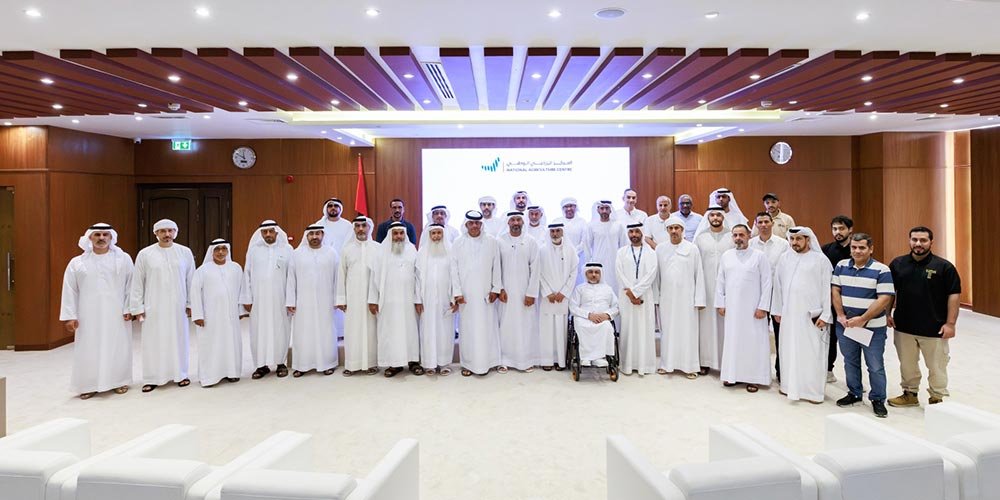
It highlights the Integrated Agricultural Centres system and the UAE Good Agricultural Practices programme – key initiatives for empowering farmers and enhancing the quality of UAE-grown produce United Arab Emirates, 04 August 2026: The National Agriculture Centre (NAC) held an interactive workshop which convened farmers from across Ras Al Khaimah, as part of its ongoing programme of regional engagement to build direct dialogue with farmers, raise awareness of its services, and gather their insights, challenges and suggestions. The session reflects the wise leadership’s vision to empower farmers and position agriculture as a pillar of national food security, in line with the goals of the national programme ‘Plant the Emirates’. The workshop explored three key themes: understanding farmers’ needs and positioning them as the cornerstones of agricultural development; introducing them to initiatives supporting climate-smart farms and the sustainable management of natural resources; and strengthening partnerships to nurture a more resilient and sustainable agricultural sector. A central focus was the Integrated Centres Project, which brings farmers a connected range of services, - agricultural extension, production inputs, and support in linking crops to packaging, marketing and distribution – through centres located across the UAE, improving efficiency, developing value chains and increasing the competitiveness of UAE-grown produce. In Al Hamraniyah, Ras Al Khaimah, the project is delivered in cooperation with Silal, which presented the centre’s registration and marketing process to farmers and addressed their queries related to marketing operations, pricing and payments. Farmers were also introduced to the UAE Good Agricultural Practices (UAEG.A.P.) programme, delivered with the Abu Dhabi Agriculture and Food Safety Authority (ADAFSA), which empowers certified farms international quality, safety and traceability standards, strengthen ties with retail outlets and supply chains, and access to new export markets. NAC walked participants through the registration process from the enrolment process and documentation to field evaluation and obtaining certification. Several farmers signed the initial version of their UAE GAP registration contracts duration the session. Sultan Salem Al Shamsi, Director General of the National Agriculture Centre, stated: “Farmers are our primary partners in shaping the agricultural ecosystem and their contributions are vital to developing transformative projects in cooperation with diverse entities. We remain committed to understanding their needs and involving them in designing solutions and services that support the sustainable development of their farms. These engagements serve as direct channels of communication with farmers, strengthening trust and collaboration, while contributing to addressing on-the-ground needs and reinforcing the sustainability of the agricultural sector.” Al Shamsi continued: “The Integrated Agricultural Centres play an important role in connecting various stages of the value chain, from planning, production and technical guidance to post-harvest operations, marketing and distribution. By providing integrated support, they help farmers overcome operational challenges, improve crop quality, meet market requirements, access new sales channels and ultimately increase the value of their produce.” He further noted that the UAE Good Agricultural Practices programme translates approved standards into a practical framework that can be measured and evaluated - enhancing food safety, farm management and the responsible use of water and agricultural inputs. This contributes to strengthening documentation and traceability processes as well as increasing the competitiveness of locally grown produce. He also stated: “As a key enabler of the UAE's transition to smart agriculture, the UAE GAP programme harnesses data and artificial intelligence to optimise farming practices, enhance productivity and support an integrated agricultural system based on precise resource management and continuous improvement.” The workshop featured interactive discussions on challenges related to production, services and marketing. The sessions’ outcomes and participants’ feedback will be used to develop programmes and services that prioritise farmers’ needs.
|  RSS Feed