
- Global Roadmap for the Future of Food Safety identifies strategic priorities and future actions to strengthen food safety systems and enhance preparedness for emerging challenges.
- New initiatives leverage artificial intelligence and data analytics to identify potential food safety risks and support decisions on nutrition and food sourcing.
- AI-powered food establishment inspection project analyses Google reviews and customer feedback to identify potential food safety concerns and inform inspection priorities.
- Future of Nutrition Foresight initiative integrates food, climate, geopolitical and market data to support more informed decisions on nutritional priorities and food sourcing.
- Initiatives aim to strengthen regulatory efficiency and proactive risk management, support supply chain resilience and enhance public health protection.
Dubai, United Arab Emirates, 16 November 2026: Dubai Municipality has launched the Global Roadmap for the Future of Food Safety, establishing a framework of strategic priorities and future actions to strengthen food safety systems and enhance preparedness for emerging challenges. The Municipality also unveiled new artificial intelligence-powered initiatives designed to improve food safety monitoring, support risk-based inspections and strengthen decision-making on nutrition and food sourcing.
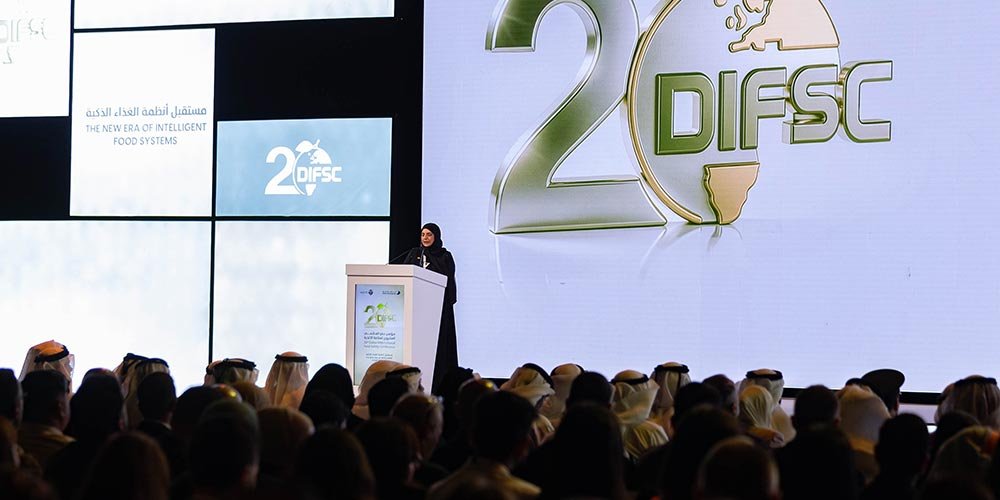
The announcements were made during the 20th edition of the Dubai International Food Safety Conference, organised by Dubai Municipality from 16 to 18 November at the Dubai International Convention and Exhibition Centre.
The Global Roadmap for the Future of Food Safety identifies priority areas for the continued development of food safety systems, providing a framework to guide future initiatives and strengthen the sector's ability to anticipate and respond to evolving risks. It also aims to support the adoption of advanced practices and technologies, ensuring that food safety systems remain responsive to developments across the global food sector.
Alongside the roadmap, Dubai Municipality introduced innovative projects that demonstrate how artificial intelligence, data analytics and emerging technologies can support more proactive approaches to food safety management.
The initiatives reflect the Municipality's commitment to moving beyond conventional monitoring and inspection methods towards more predictive and evidence-based approaches. By drawing on diverse data sources, they aim to strengthen the identification of emerging risks, inform regulatory priorities and support more effective planning across the food sector.
Harnessing artificial intelligence to strengthen food safety
Among the initiatives unveiled is the Food Establishment Inspection Through Google Reviews project, an AI-powered system designed to analyse restaurant ratings and customer feedback published on Google.
The project uses artificial intelligence to identify patterns, trends and potential food safety concerns reflected in customer reviews, providing an additional source of information to support regulatory monitoring. These insights can help inspectors identify establishments that may require closer attention and prioritise inspection activities based on emerging indicators.
By incorporating publicly available customer feedback into its monitoring processes, Dubai Municipality aims to strengthen its ability to identify potential concerns at an earlier stage and direct inspection resources more effectively. The initiative complements established food safety inspection and regulatory procedures, supporting a more responsive and data-informed approach to protecting public health.
Dubai Municipality also introduced the Future of Nutrition Foresight initiative, which brings together and analyses data relating to food, climate conditions, geopolitical developments and market trends to support more informed planning and decision-making.
The initiative examines how developments across these interconnected areas may influence food availability, sourcing options and nutritional needs. Its insights are intended to support decisions on Dubai's nutritional priorities, the sourcing of food ingredients and the development of menu recipes that respond to changing conditions and consumer requirements.
By connecting information on food supply, market developments and nutritional considerations, the initiative aims to strengthen foresight capabilities and enable more informed responses to factors affecting food availability and sourcing. It also supports longer-term planning to enhance the resilience and sustainability of food supply chains.
Together, these projects demonstrate Dubai Municipality's approach to integrating advanced technologies and foresight into food safety management, combining early risk identification with more informed regulatory and operational decision-making.
Advancing intelligent and proactive food safety systems
Dr Naseem Mohammed Rafee, Acting CEO of the Environment, Health and Safety Agency at Dubai Municipality, affirmed that the roadmap and new initiatives represent important steps towards developing more intelligent, proactive and resilient food safety systems. She highlighted the importance of anticipating emerging challenges, strengthening regulatory capabilities and harnessing scientific knowledge and technology to protect public health.
She said: “The Global Roadmap for the Future of Food Safety and our new initiatives reflect Dubai Municipality's commitment to translating scientific knowledge, data and technological innovation into practical solutions that strengthen food safety. Our approach is focused on anticipating emerging risks, improving the quality of information available to decision-makers and developing more proactive regulatory practices that respond to the changing needs of the food sector.
“By leveraging artificial intelligence, advanced data analytics and foresight, we aim to strengthen our ability to identify potential risks at an early stage, enhance inspection efficiency and support more informed decisions on nutrition and food sourcing. These capabilities will contribute to protecting public health while strengthening the resilience and sustainability of food systems.”
Dr Rafee added: “The Dubai International Food Safety Conference provides an important platform for bringing together international expertise and exploring how scientific and technological developments can be translated into practical improvements. As we mark its 20th edition, our focus remains on strengthening collaboration, advancing innovation and developing solutions that enable food safety systems to anticipate and respond effectively to future challenges.”
Twenty years of advancing food safety from Dubai
The launch of the roadmap and new initiatives forms part of Dubai Municipality's participation in the 20th edition of the Dubai International Food Safety Conference, held under the theme ‘The New Era of Intelligent Food Systems’.
Marking two decades of international knowledge exchange and collaboration, the conference brings together more than 3,000 participants, 300 experts and 100 international speakers from 70 countries, alongside representatives of regulatory and government authorities, international organisations, academic and research institutions, food industry professionals and technology providers.
The conference explores the developments shaping the future of food safety, with particular emphasis on artificial intelligence, emerging technologies, scientific research and more effective regulatory approaches. Discussions also address the challenges facing global food supply chains and opportunities to strengthen consumer protection, food system resilience and sustainability.
Through the Global Roadmap for the Future of Food Safety and its new technology-driven initiatives, Dubai Municipality continues to advance an approach to food safety centred on prevention, foresight and evidence-based decision-making.
These efforts reinforce the Municipality's commitment to protecting public health, enhancing regulatory efficiency and supporting the development of safe, sustainable and resilient food systems capable of responding to future challenges.